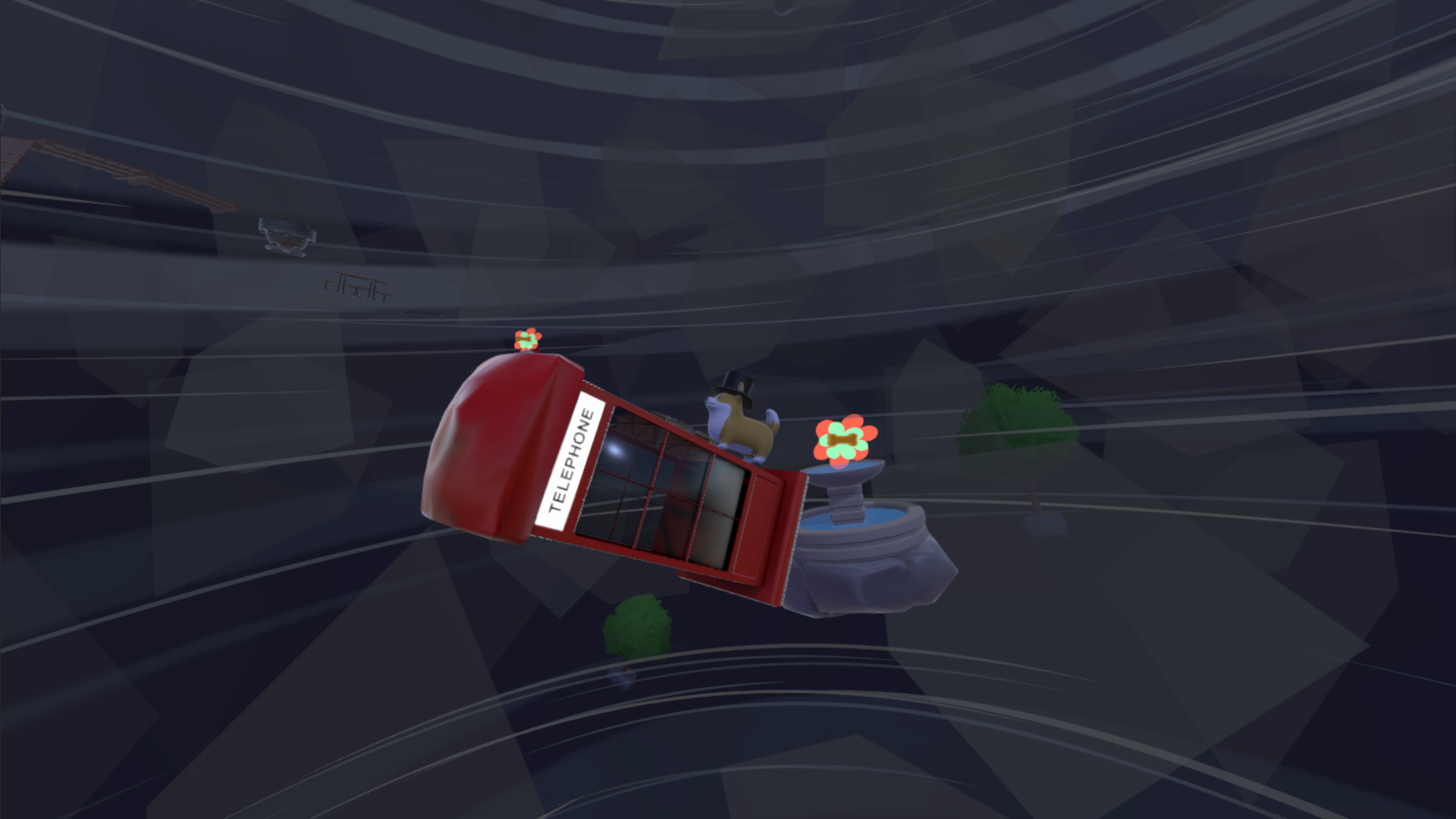
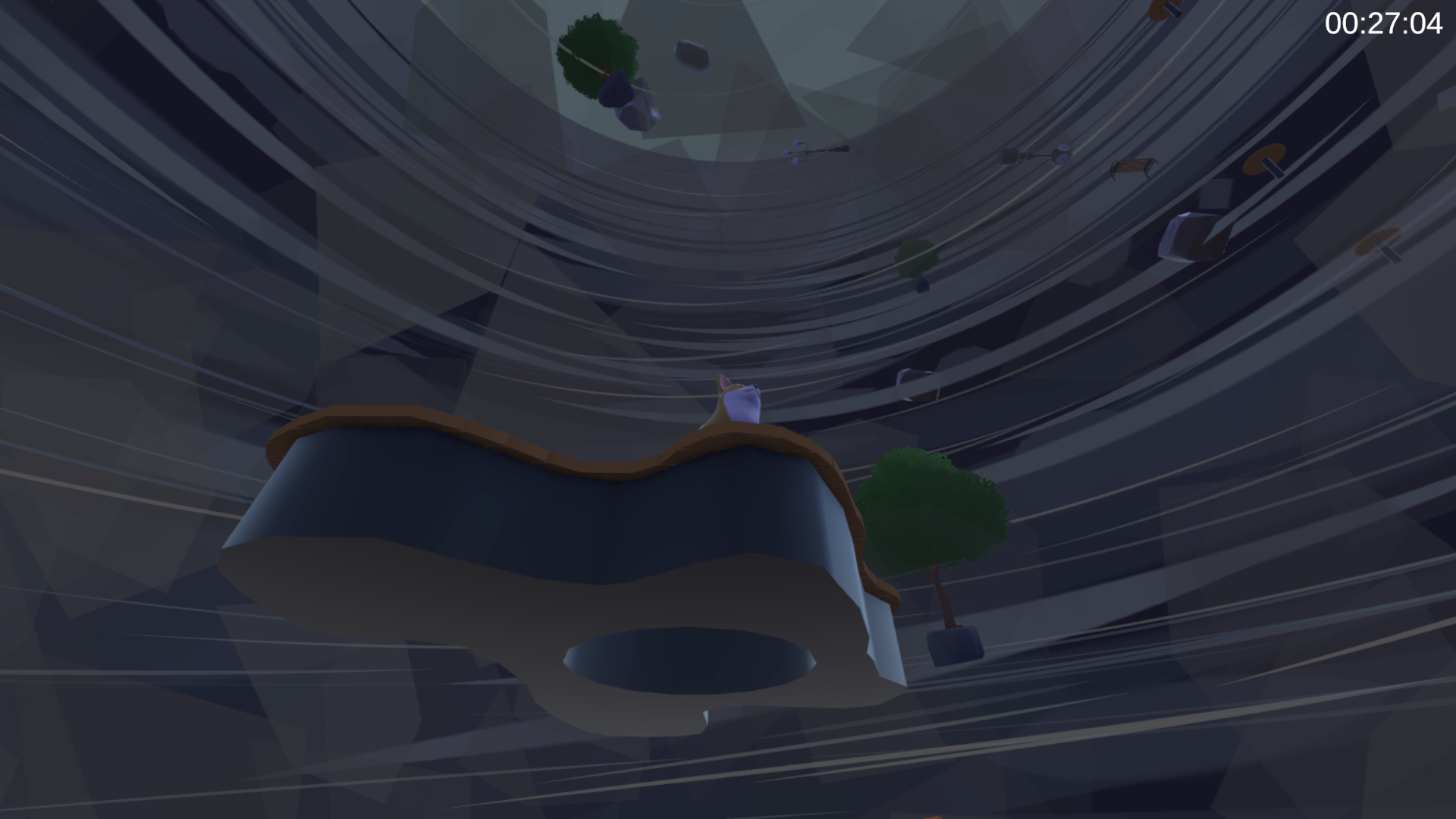
All Leap! is game created by me and my friend Davin Lewis in Unity for the Brackeys Game Jam 2025.2. The theme was "Risk it for the Biscuit", and we decided to make a game where you play as a corgi ascending a tornado to reach his family.
This game is a bit unique in its idea, and I had a really fun time creating it. All Leap! is designed to be a collectathon-foddian game. In other words, it is meant to be very hard on purpose. The final version on itch is a bit more hard than intended, but the core idea is still there.
I have been continuing work on this game in my own time with hopes to eventually releasing it as a full-fledged game. For now, you can play the jam version of the game on itch.io here: https://nurd.itch.io/all-leap.
Ben Bonus
Games
All Leap!
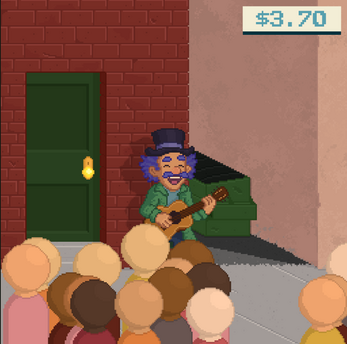
Street Performer is a game I made in Unity for the thatgamecompany × COREBLAZER GAME JAM 2025. The theme for this jam was "Generosity", and so I decided to make a game where you play as a street performer, earning money only through donations.
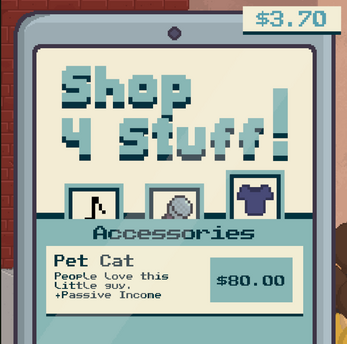
The game is a rhythm-based, incremental game. You play as a street performer and can use the keys on your keyboard to play music. The "better" you play, the more money you get. With money, you can buy upgrades and new instruments.
I made this game alone, which is unlike most of the other jam games I have worked on. It was a fun experience, and I do think I learned a lot artistically on this project. The game itself is fairly simple, but I spent a lot of time making all the art custom and giving it my own style.
Street Performer is available to play on itch.io here: https://nurd.itch.io/street-performer.
The game is a rhythm-based, incremental game. You play as a street performer and can use the keys on your keyboard to play music. The "better" you play, the more money you get. With money, you can buy upgrades and new instruments.
I made this game alone, which is unlike most of the other jam games I have worked on. It was a fun experience, and I do think I learned a lot artistically on this project. The game itself is fairly simple, but I spent a lot of time making all the art custom and giving it my own style.
Street Performer is available to play on itch.io here: https://nurd.itch.io/street-performer.
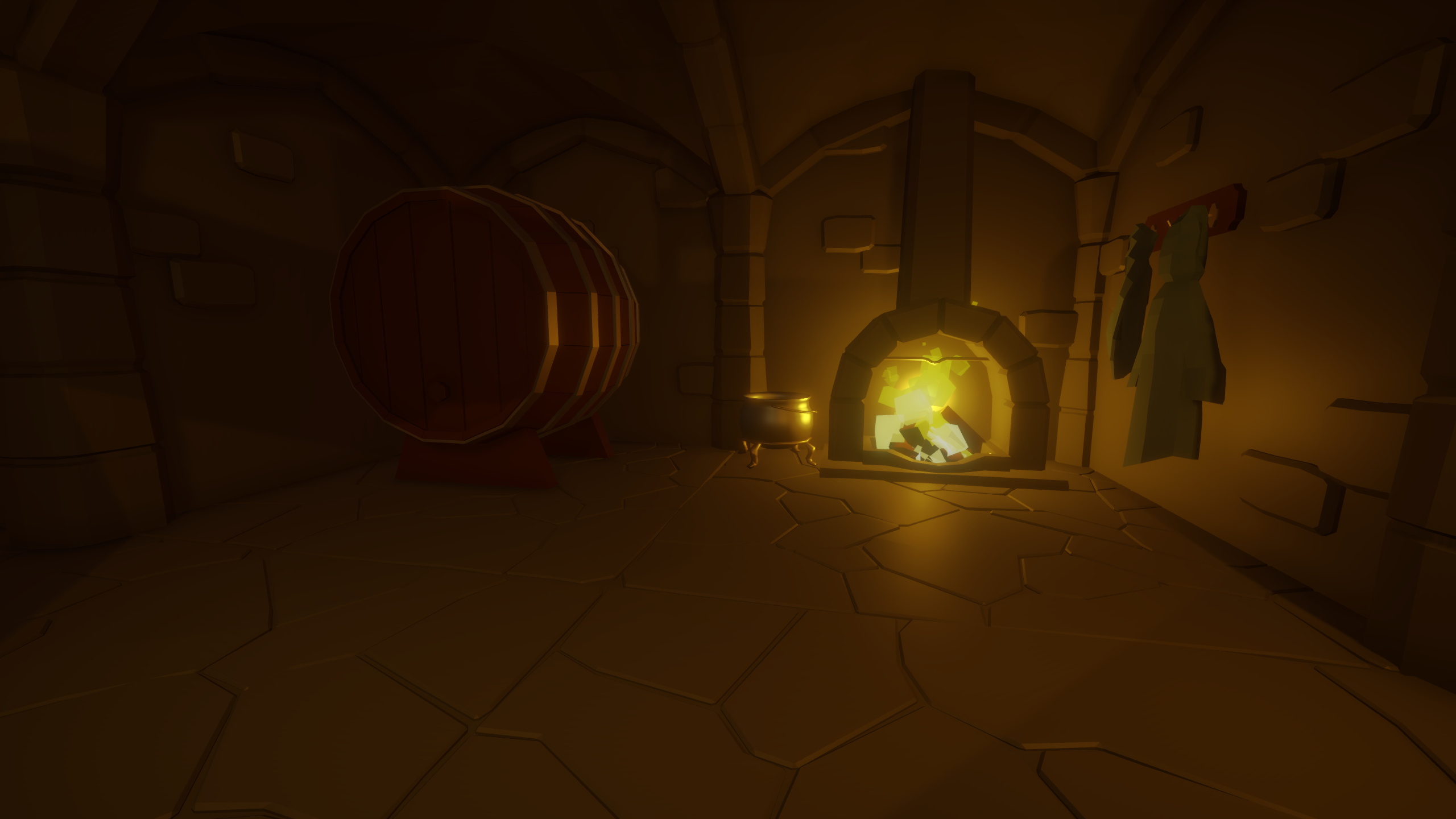
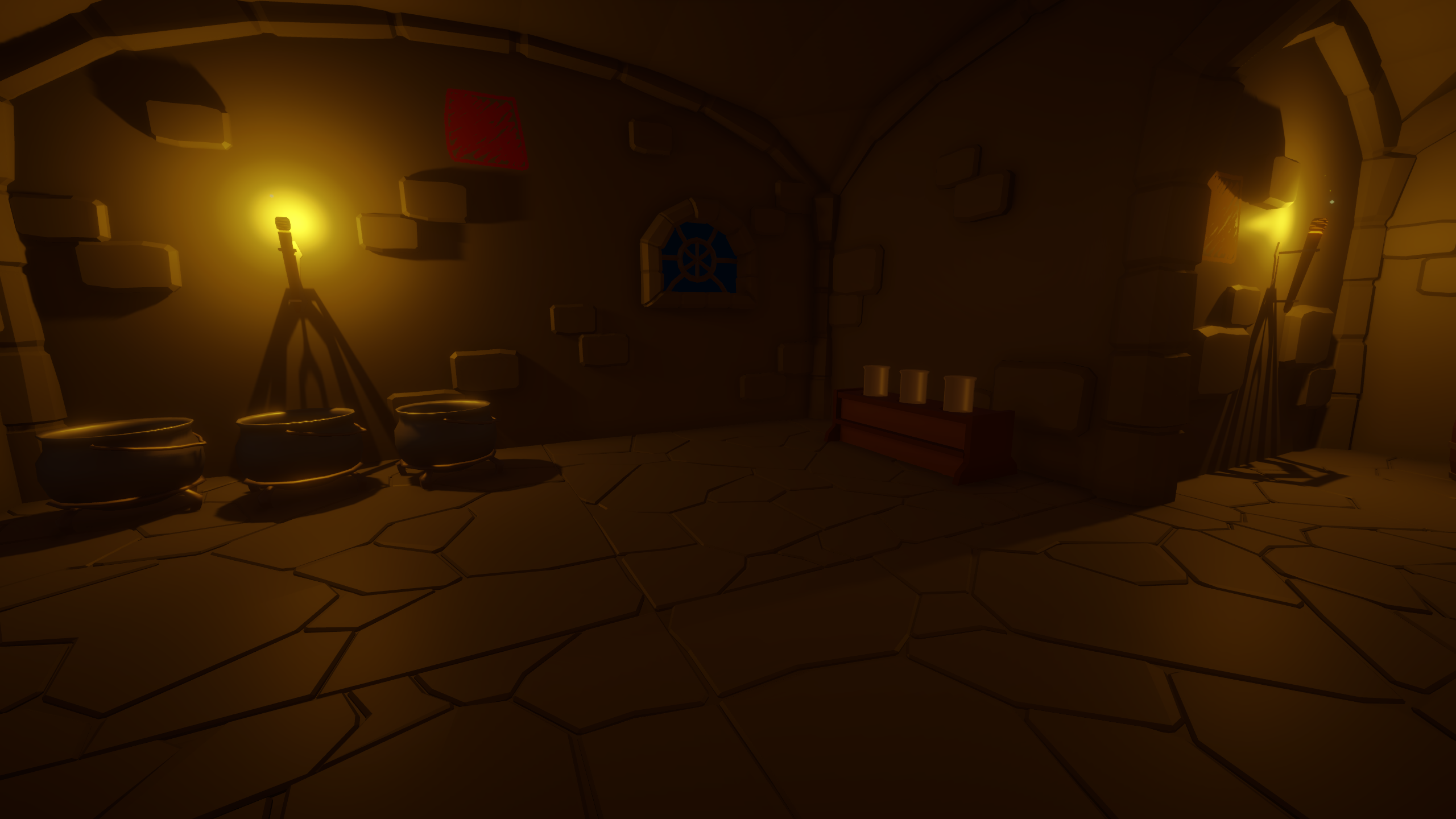
Nocturne of the Forest is a game that was made in Unity for the Pirate Software Game Jam 15, meaning it was made in just two weeks. I worked alongside my teammate Davin Lewis. The theme we worked with was "Shadows and Alchemy".
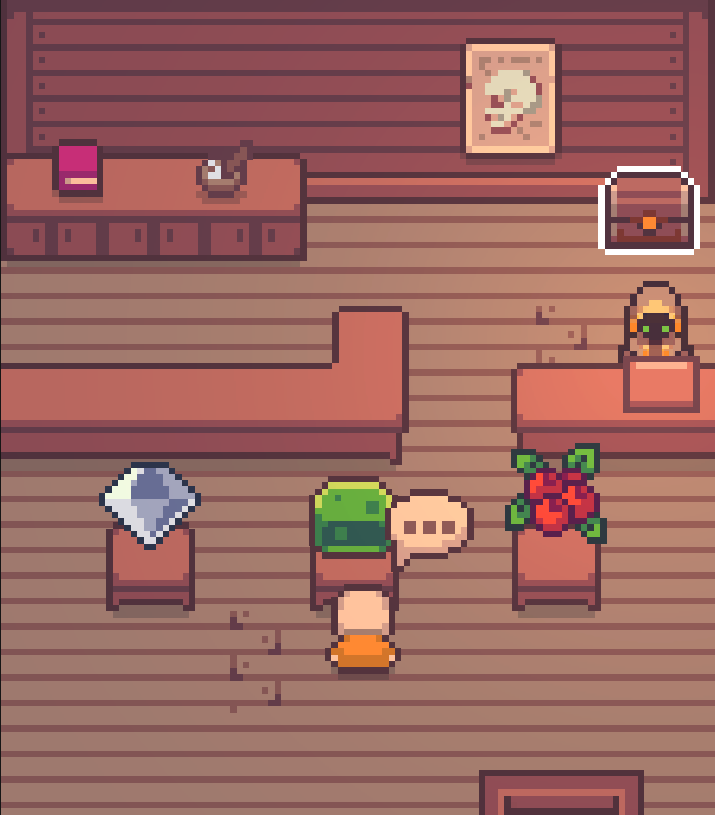
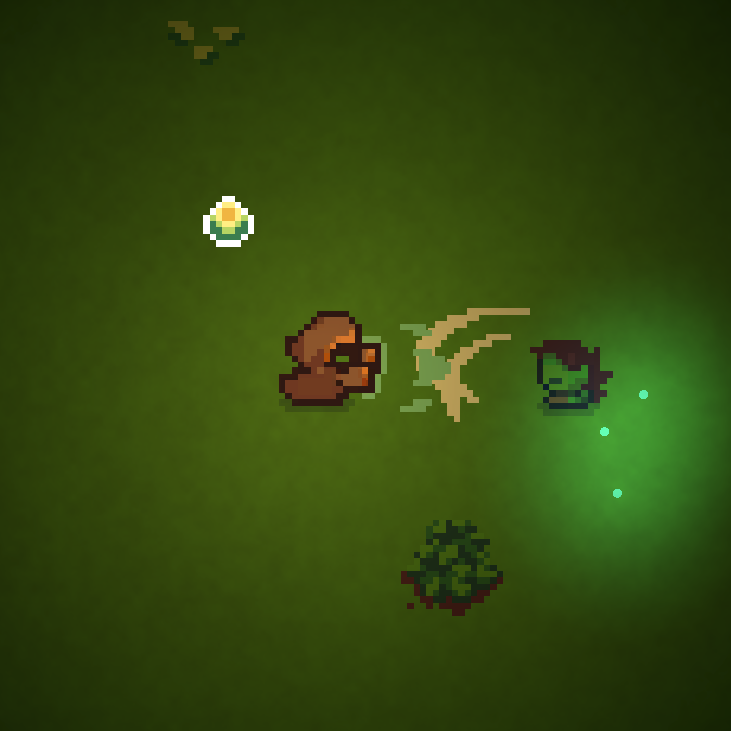
The game is heavily inspired by Moonligher on Steam. In our game, you stumble across a magic cloak while dangerously wandering outside your village. When you put on the cloak, it gives you the ability to see in the dark. The poor soul who left the cloak also left a book, which grants you access to his shop in the village.
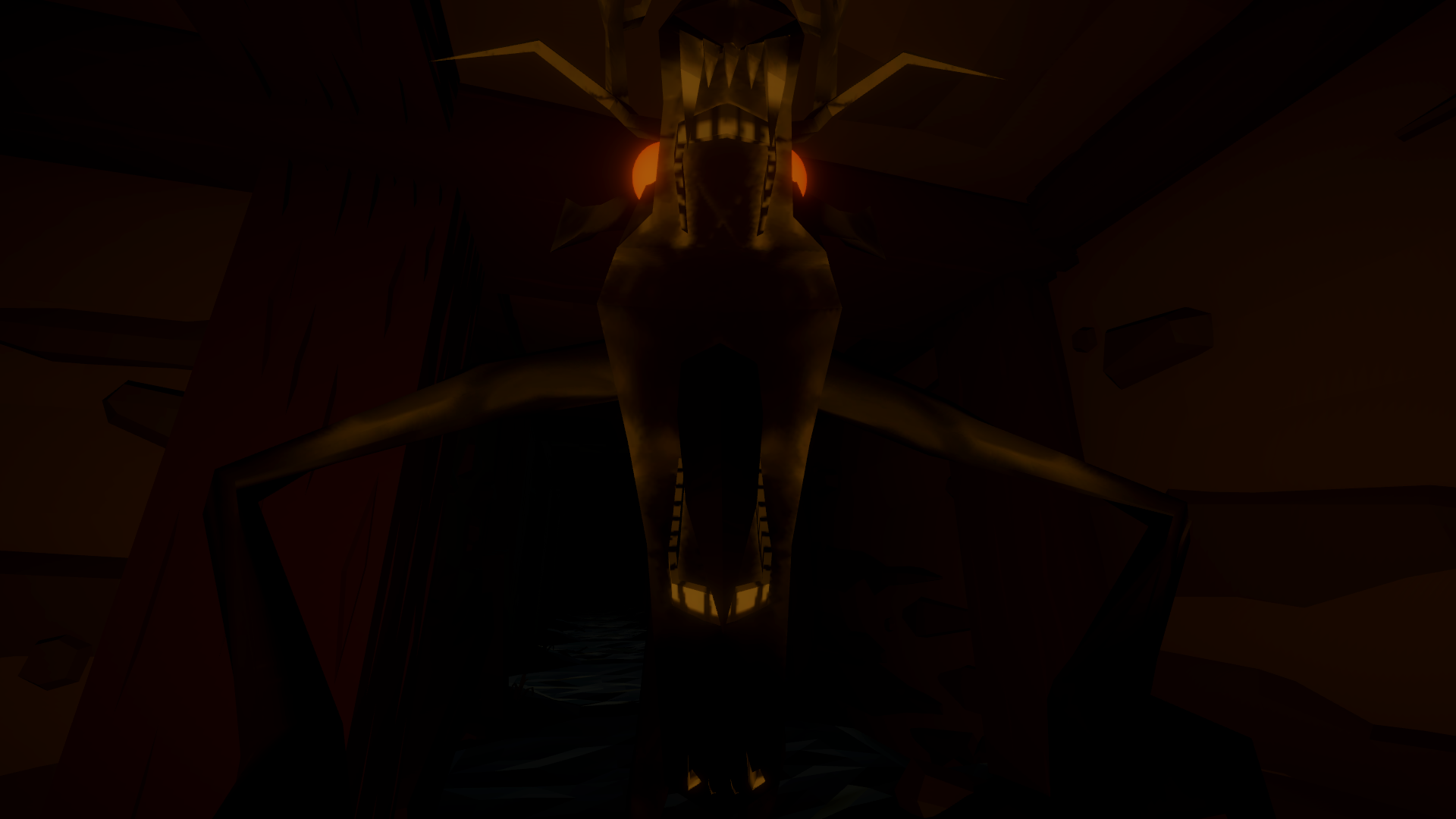
The abilities the cloak grants you allows you to travel out into the forest at night and fight monsters. Doing this allows you to gather materials that the villagers of the town do not have access to. With these materials, you can craft rare potions and sell them in the shop to the villagers.
The game combines a typical RPG with a shop-running simulation style of game. It was a very ambitious project for us, and it shows in the final product. There are several bugs that we did not have time to fix before the deadline, and the gameplay itself also suffers a bit. We wanted to do a lot with this project, and even though it did not come out perfect, we are still proud of where we got with it. I myself put over 100 hours in those two weeks working on this game.
The game has an ending to work towards, and there is also a fair amount of progression to go along with it. There are several note pages scattered in the forest you can collect and read at the shop to learn more about the lore of the game. There are many potions that the player can craft, but the recipes have to be obtained by killing specific enemies. There is also an upgrade system, where you can put money into the player's stats to better yourself for fighting in the forest. There is even an upgraded shop you can buy.
You can play the game on itch.io here: https://nurd.itch.io/nocturne-of-the-forest.
The game is heavily inspired by Moonligher on Steam. In our game, you stumble across a magic cloak while dangerously wandering outside your village. When you put on the cloak, it gives you the ability to see in the dark. The poor soul who left the cloak also left a book, which grants you access to his shop in the village.
The abilities the cloak grants you allows you to travel out into the forest at night and fight monsters. Doing this allows you to gather materials that the villagers of the town do not have access to. With these materials, you can craft rare potions and sell them in the shop to the villagers.
The game combines a typical RPG with a shop-running simulation style of game. It was a very ambitious project for us, and it shows in the final product. There are several bugs that we did not have time to fix before the deadline, and the gameplay itself also suffers a bit. We wanted to do a lot with this project, and even though it did not come out perfect, we are still proud of where we got with it. I myself put over 100 hours in those two weeks working on this game.
The game has an ending to work towards, and there is also a fair amount of progression to go along with it. There are several note pages scattered in the forest you can collect and read at the shop to learn more about the lore of the game. There are many potions that the player can craft, but the recipes have to be obtained by killing specific enemies. There is also an upgrade system, where you can put money into the player's stats to better yourself for fighting in the forest. There is even an upgraded shop you can buy.
You can play the game on itch.io here: https://nurd.itch.io/nocturne-of-the-forest.
Macabre Manor is a game that was made in Unity, for the Brackeys Game Jam 2024.1, and it was made in just one week. I worked alongside my teammate Davin Lewis. The theme we worked with was "What's Behind the Door?".
For the two of us, it was our first attempt at both a 3D game and a horror game. The theme was fairly vague, so we ended up with the idea of an escape room, and we had always wanted to do something horror based so we combined the ideas.
You start off in a strange room with only a single door. The atmosphere of the place feels off. You must complete puzzles to progress through each door. The further along you get, the more this place haunts you.
The finished product came together really well. According to the feedback, the puzzles can be a little confusing, however I am very proud of what we accomplished considering we only had a week, especially considering it was our entrance into 3D.
You can play the game on itch.io here: https://nurd.itch.io/macabre-manor.
For the two of us, it was our first attempt at both a 3D game and a horror game. The theme was fairly vague, so we ended up with the idea of an escape room, and we had always wanted to do something horror based so we combined the ideas.
You start off in a strange room with only a single door. The atmosphere of the place feels off. You must complete puzzles to progress through each door. The further along you get, the more this place haunts you.
The finished product came together really well. According to the feedback, the puzzles can be a little confusing, however I am very proud of what we accomplished considering we only had a week, especially considering it was our entrance into 3D.
You can play the game on itch.io here: https://nurd.itch.io/macabre-manor.
Bullet Blitz is a game that was made in Unity in just one week for the Brackeys Game Jam 2023.1. I worked alongside my teammate Davin Lewis. The theme we worked with was "an end is a new beginning".
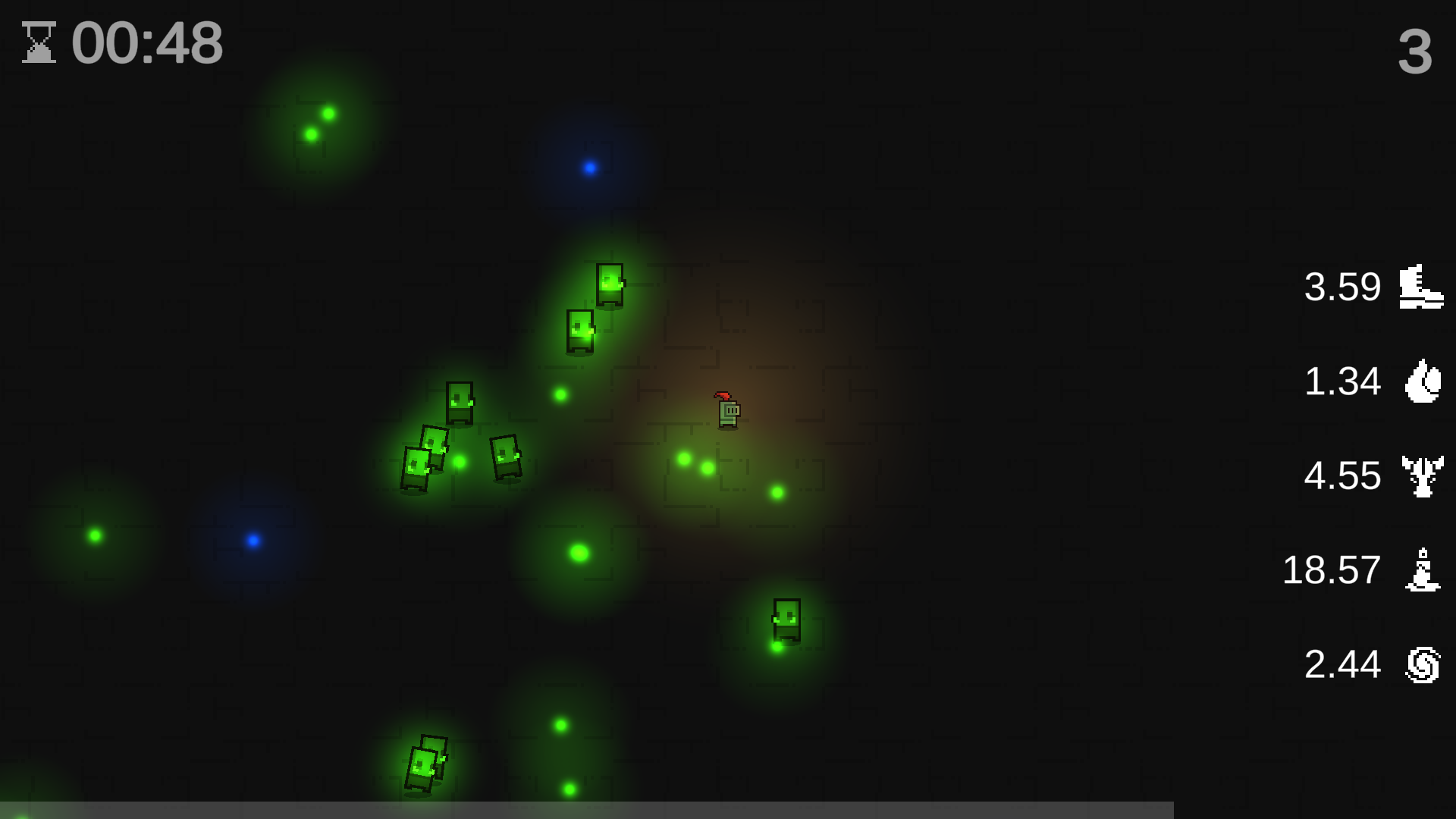
This was the first game jam that Davin and I competed in. We weren't really all that sure on what to do, so we decided to try to make a rogue-like sort of game where your stats are randomized each time you play. We would have loved to add more to this idea, however we had very little time and could not even utilize the full week due to school.
The only goal of the game is to survive. You will have different stats everytime you play, and sometimes it will grant you great survivability. As the game continues, the waves will increase and so will the number of enemies. Different enemy types have different attacks, with increasing number of bullets. Before you know it, your screen will be covered in bullets you must avoid.
The game lacks polish and content, but for what it is, it actually is a lot of fun. We did not even have time to add sound unfortunately, but I still look back fondly on this experience. Not to mention it was where we starte, and we have participated in several game jams since.
You can play the game on itch.io here: https://moistmellojello.itch.io/bullet-blitz.
This was the first game jam that Davin and I competed in. We weren't really all that sure on what to do, so we decided to try to make a rogue-like sort of game where your stats are randomized each time you play. We would have loved to add more to this idea, however we had very little time and could not even utilize the full week due to school.
The only goal of the game is to survive. You will have different stats everytime you play, and sometimes it will grant you great survivability. As the game continues, the waves will increase and so will the number of enemies. Different enemy types have different attacks, with increasing number of bullets. Before you know it, your screen will be covered in bullets you must avoid.
The game lacks polish and content, but for what it is, it actually is a lot of fun. We did not even have time to add sound unfortunately, but I still look back fondly on this experience. Not to mention it was where we starte, and we have participated in several game jams since.
You can play the game on itch.io here: https://moistmellojello.itch.io/bullet-blitz.
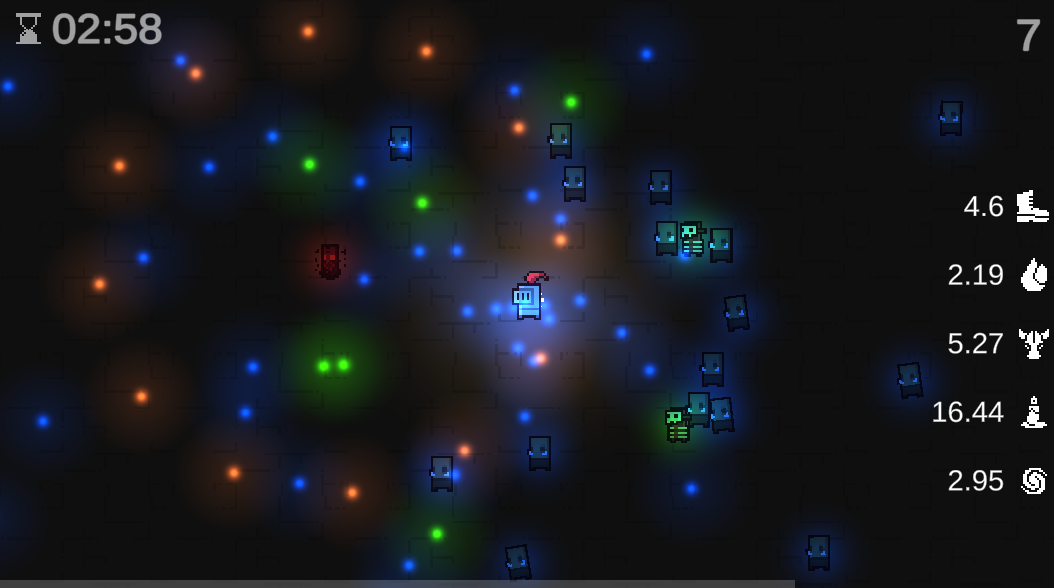
Galf is a game that was made in Unity in just one week for the UDC Jam #27. I worked with my teammate Davin Lewis, and it was our second game jam. The theme we worked with was "one hit".
The theme was fairly interesting, and we decided to go with a golfing game where you must make the ball into the hole in a single hit. We figured this might be unique compared to the competition.
Galf was unfortunately probably our weakest showing to any game jam. Due to time constraints, I had minimal time to contribute to the project. We were still able to ship a finished product, largely due to Davin's help, however it is not nearly as polished and feature-complete as we would have liked.
Regardless, it is still a game that can be played, and it can be fun for the little thing that it is.
You can play the game on itch.io here: https://moistmellojello.itch.io/galf.
The theme was fairly interesting, and we decided to go with a golfing game where you must make the ball into the hole in a single hit. We figured this might be unique compared to the competition.
Galf was unfortunately probably our weakest showing to any game jam. Due to time constraints, I had minimal time to contribute to the project. We were still able to ship a finished product, largely due to Davin's help, however it is not nearly as polished and feature-complete as we would have liked.
Regardless, it is still a game that can be played, and it can be fun for the little thing that it is.
You can play the game on itch.io here: https://moistmellojello.itch.io/galf.
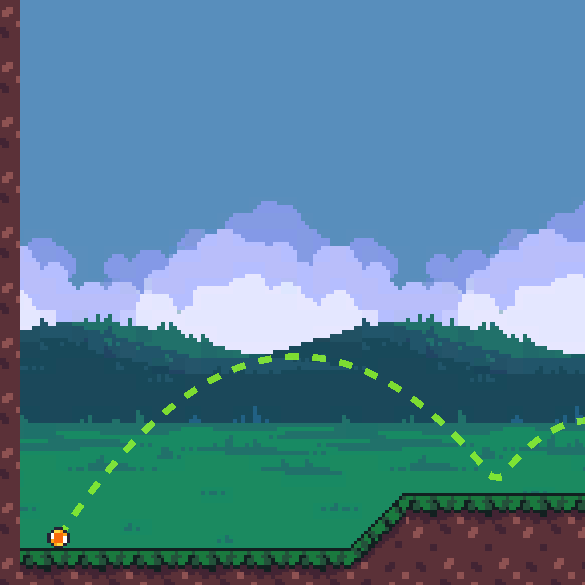
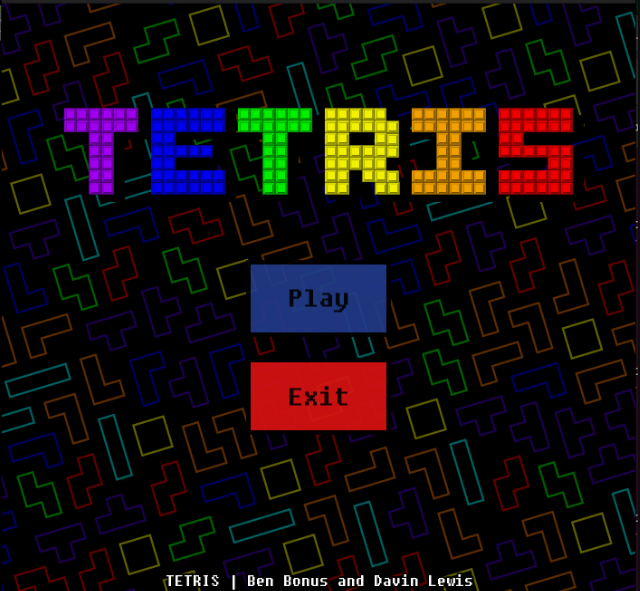
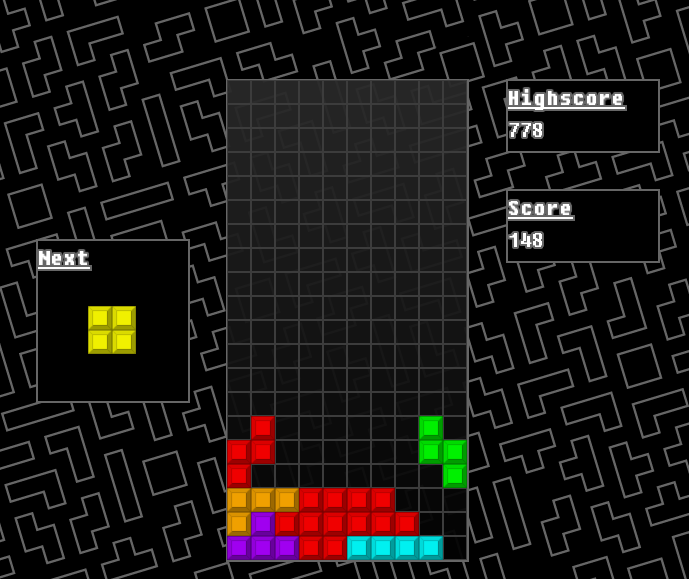
For our CS-151 final project, my friend and teammate Davin Lewis and I made TETRIS in C++ using SFML.
To be completely honest, we were in way over our heads with this project, however we still managed to pull it off. We were still early on in our computer science classes when we took this on, and you can definitely tell from the code alone. The game also runs fairly slowly, but it works.
The game is completely functional, and even has music and saves a high score. It was an amazing feeling to create this game, and is was a big inspiration for me and Davin to start competing in game jams.
To be completely honest, we were in way over our heads with this project, however we still managed to pull it off. We were still early on in our computer science classes when we took this on, and you can definitely tell from the code alone. The game also runs fairly slowly, but it works.
The game is completely functional, and even has music and saves a high score. It was an amazing feeling to create this game, and is was a big inspiration for me and Davin to start competing in game jams.
Apps
Piebot is a chatbot written in Node.JS for the social platform Discord.
Piebot is my longest running project. It started back in 2019 as one long, ugly file of code, but has grown along with me and my programming knowledge. It has even gone through two entire rewrites of the codebase.
The purpose of Piebot is nothing other than to have silly interactions in a Discord server. Chatbots on Discord, for those unaware, appear very similarly to other users, however they can perform actions based on other users' input. The first iteraction of Piebot had one simple interaction: a randomized response with a number counter everytime the user entered "!pie" in a chat room.
The latest version of Piebot is the most feature-rich. It incorporates a MySQL database in order to store information per-user and create somewhat of an economy system within the discord. Piebot also runs trivia daily, where questions are pulled from The Trivia API and users in the Discord can compete. Piebot even has an equivalent version of the app running on the platform Twitch, where users can interact with Piebot in a live-streamer's chat.
I don't see development for Piebot stopping anytime soon, though development is not constant. Features get added little by little over time.
Piebot is my longest running project. It started back in 2019 as one long, ugly file of code, but has grown along with me and my programming knowledge. It has even gone through two entire rewrites of the codebase.
The purpose of Piebot is nothing other than to have silly interactions in a Discord server. Chatbots on Discord, for those unaware, appear very similarly to other users, however they can perform actions based on other users' input. The first iteraction of Piebot had one simple interaction: a randomized response with a number counter everytime the user entered "!pie" in a chat room.
The latest version of Piebot is the most feature-rich. It incorporates a MySQL database in order to store information per-user and create somewhat of an economy system within the discord. Piebot also runs trivia daily, where questions are pulled from The Trivia API and users in the Discord can compete. Piebot even has an equivalent version of the app running on the platform Twitch, where users can interact with Piebot in a live-streamer's chat.
I don't see development for Piebot stopping anytime soon, though development is not constant. Features get added little by little over time.

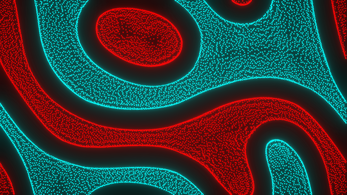
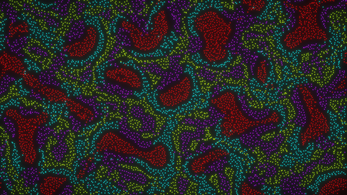
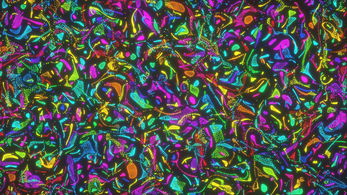
Particle Life Simulator is a simulation app made in Unity. This was made by me and my friend Davin Lewis and I while working at Polymorphic Games. The project originally was a prototype, but eventually we polished it up and released it as a full product.
The app allows you to simulate different particles and their forces interacting with each other. You get a full list of values to manipulate, and even have the option to save/load different profiles. It ends up making for a very cool visual design as you can see particles fly around. At times it looks life-like.
This project taught me a lot about optimization. Simulating thoudsands of particles at once, using pairwise calculations, was very costly. Thankfully, after much trial-and-error, we figured out several ways to optimize it and reach up to tens of thoudsands of particles!
The project can be downloaded on itch.io here: https://polymorphic-games.itch.io/particle-life-simulator.
The app allows you to simulate different particles and their forces interacting with each other. You get a full list of values to manipulate, and even have the option to save/load different profiles. It ends up making for a very cool visual design as you can see particles fly around. At times it looks life-like.
This project taught me a lot about optimization. Simulating thoudsands of particles at once, using pairwise calculations, was very costly. Thankfully, after much trial-and-error, we figured out several ways to optimize it and reach up to tens of thoudsands of particles!
The project can be downloaded on itch.io here: https://polymorphic-games.itch.io/particle-life-simulator.
Websites
This website is a portfolio for me, Ben Bonus. I created it entirely by hand using HTML, CSS, and JavaScript. This was a little bit of a passion project, however I also felt that I needed a good way to showcase the projects I have worked on over the years. I had an existing portfolio website that we developed in one of my classes, however that site did not really have any passion behind it and was just for an assignment. For fun, here is the old Portfolio site: https://dappernurd.github.io/Old-Portfolio-Website/projects.html. It can also be used to see the amount of progress in projects since I originally made it, back in 2023.
This is a website that I created as a hobby of mine in my free time. The website simply lists out the items collectable in the game Knockout City.
Knockout City was a competitive, third-person dodgeball game. You got put on a team of two or three and fought another team of the same size. It had a very arcadey style, with a futuristic-retro setting. The game was a lot of fun, and I got pretty heavily into it when it was available.
In the game, you could unlock cosmetics as you leveled up. There was a large amount of possible cosmetics to obtain, however there was no official way of seeing everything available. Becauase of this, I took it upon myself to create this website. It was intended to be able to be used for me and anyone else that wanted to look at this information.
It came together really well, and it was very usable. Unfortunately, Knockout City as a live-service game eventually had a dwindling player-base, and as such, went offline.
This was my first major web project, and I am very proud with what it came to be.
You can visit the site here: https://dappernurd.github.io/knockoutcity-catalog/Street%20Rank/help.html.
Knockout City was a competitive, third-person dodgeball game. You got put on a team of two or three and fought another team of the same size. It had a very arcadey style, with a futuristic-retro setting. The game was a lot of fun, and I got pretty heavily into it when it was available.
In the game, you could unlock cosmetics as you leveled up. There was a large amount of possible cosmetics to obtain, however there was no official way of seeing everything available. Becauase of this, I took it upon myself to create this website. It was intended to be able to be used for me and anyone else that wanted to look at this information.
It came together really well, and it was very usable. Unfortunately, Knockout City as a live-service game eventually had a dwindling player-base, and as such, went offline.
This was my first major web project, and I am very proud with what it came to be.
You can visit the site here: https://dappernurd.github.io/knockoutcity-catalog/Street%20Rank/help.html.
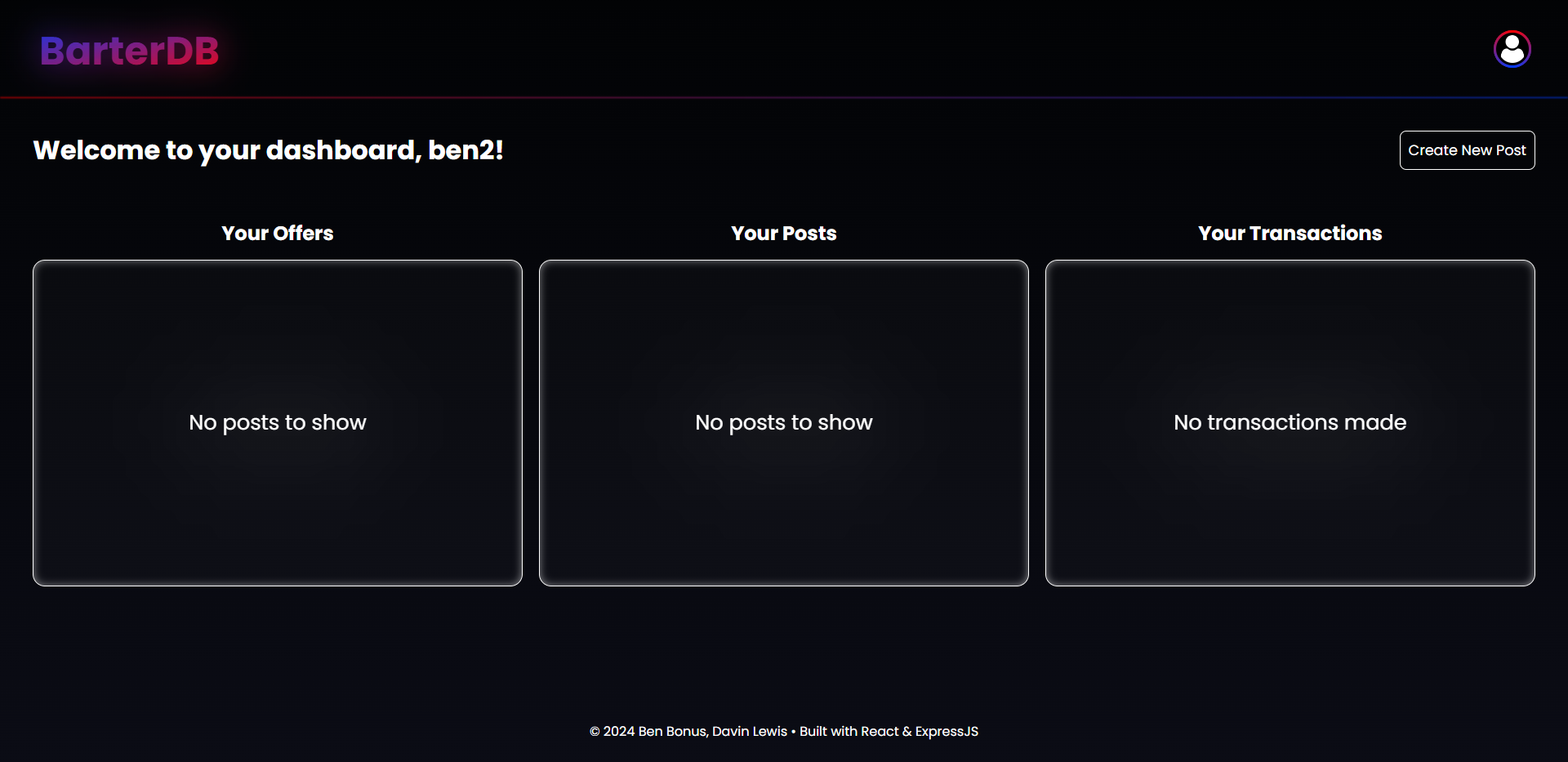
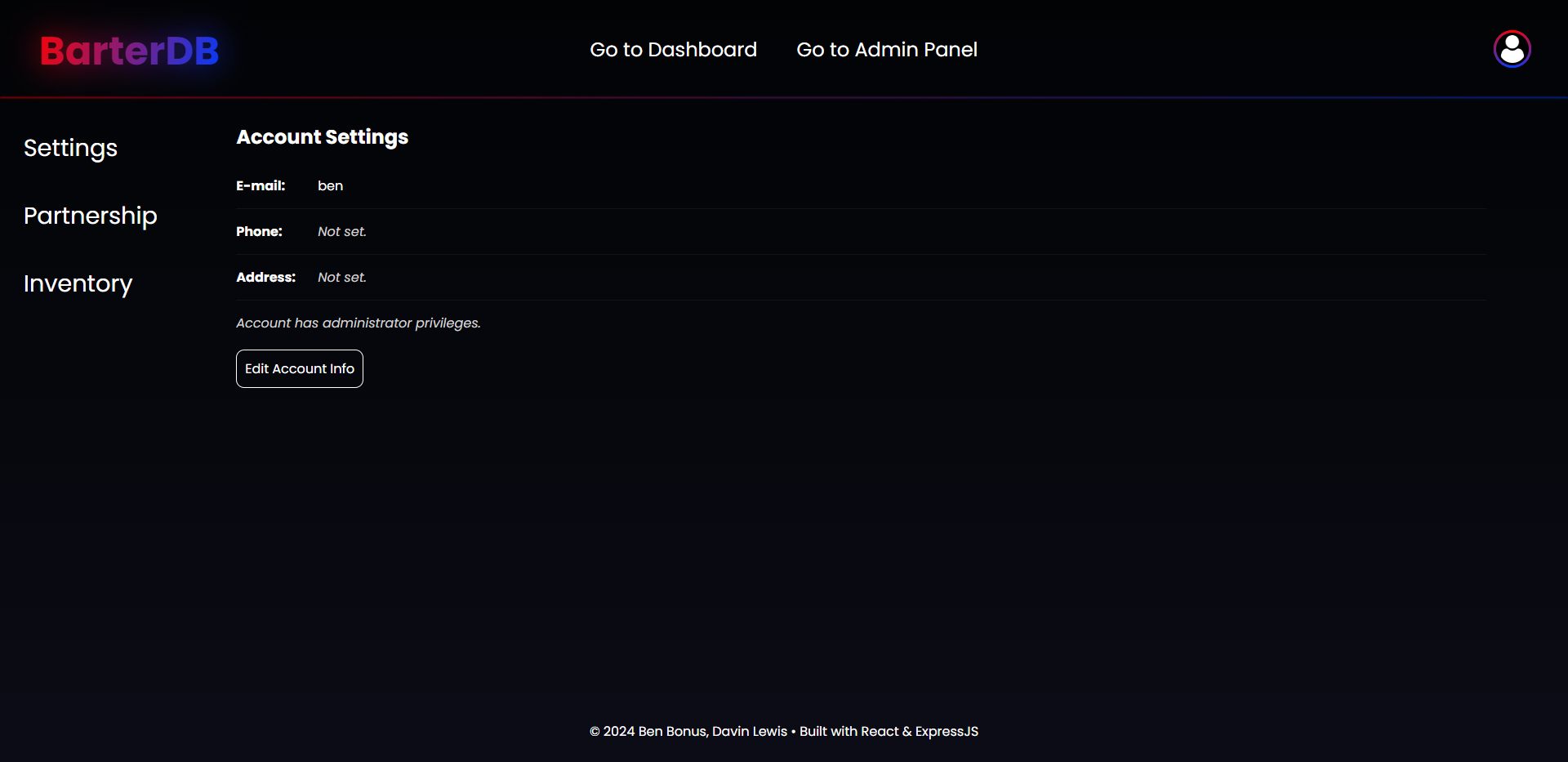
This is a full-stack website that I created for my CS-360 semester-long project. I worked alongside Davin Lewis, though I did the vast majority of the work on the application. The website is a place where users can form a partnership and trade items with other partnerships, all whilst remaining completely anonymous.
The website as it stands has a lot of features, including secure account creation, partnership requesting, creating posts, matching with other posts, bartering with other parties, and more. There is also an admin system that allows admins to manage users, items, and transactions. It is fairly robust, and for it being my first time working on a dynamic web application, it came out very nicely.
The website does not actually feature any transactional functionality. The items "traded" are essentially just numbers that the system proccesses. Since it was just a school project, actually trading items was not necessary and far beyond our actual scope. Still, the functionality that is there works as expected, and items can be traded between parties without ever knowing who the other party is.
The project itself was a bit strange, with the odd requirement of the transactions being between parties of two. It made development a lot more complicated than it needed to be, but it was a great learning experience. The website was developed with ReactJS for the front-end, ExpressJS for the back-end, and with MySQL for the database.
The website is not hosted on any site as it is dynamic and I do not have my own domain. If you'd like to download the code and run it yourself, there are full instructions on the GitHub page along with the required database schema creation file.
The website as it stands has a lot of features, including secure account creation, partnership requesting, creating posts, matching with other posts, bartering with other parties, and more. There is also an admin system that allows admins to manage users, items, and transactions. It is fairly robust, and for it being my first time working on a dynamic web application, it came out very nicely.
The website does not actually feature any transactional functionality. The items "traded" are essentially just numbers that the system proccesses. Since it was just a school project, actually trading items was not necessary and far beyond our actual scope. Still, the functionality that is there works as expected, and items can be traded between parties without ever knowing who the other party is.
The project itself was a bit strange, with the odd requirement of the transactions being between parties of two. It made development a lot more complicated than it needed to be, but it was a great learning experience. The website was developed with ReactJS for the front-end, ExpressJS for the back-end, and with MySQL for the database.
The website is not hosted on any site as it is dynamic and I do not have my own domain. If you'd like to download the code and run it yourself, there are full instructions on the GitHub page along with the required database schema creation file.
Other
This is a plugin I wrote for Minecraft Java Edition for use on multiplayer servers.
Minecraft is a game that, depending on your playstyle, can be relatively quick to beat. The intention I had when making this plugin was to lengthen that amount of time. It changed several of the main mechanics of the game and even added a few unique features.
This was a small project that did not take very long to create, but it was my first introduction into making a sort of modification to a game like this, and also my first time using Java. I enjoyed seeing other people use it, even though I had originally just made it for myself.
You can view the official download page here: https://www.spigotmc.org/resources/slower-progression.116915/.
Minecraft is a game that, depending on your playstyle, can be relatively quick to beat. The intention I had when making this plugin was to lengthen that amount of time. It changed several of the main mechanics of the game and even added a few unique features.
This was a small project that did not take very long to create, but it was my first introduction into making a sort of modification to a game like this, and also my first time using Java. I enjoyed seeing other people use it, even though I had originally just made it for myself.
You can view the official download page here: https://www.spigotmc.org/resources/slower-progression.116915/.
Shelved
This is possibly one of my most impressive projects, yet it will probably forever remain unfinished. This was a simulation sort of game built in Unity, and was inspired by games like Noita and The Sandbox.
The simulation supports creating some basic elements. The ones I had built was dirt, sand, water, oil, and steam, all with unique properties. It was also a very scalable system. Dirt and sand behaved very similar as two different solids, however they had different levels of structural integrity. Oil was the same as water but was more viscous. Steam was a gas and floated upwards, and would eventually convert back to water.
I am very, very proud of what I achieved with this, even if I never did finish the project. I wrote the simulated physics for each pixel, and mostly just used Unity for the rendering aspect of it. It was surprisingly fun to just go in and draw a bunch of elements around, even if in the prototype there was little to do with them. I had a lot of big plans for this project, but ultimately that is one of the reasons why I decided to scrap it.
Some of the things I had planned for this project was significantly more element types and many more element interactions. I would have liked to make fire an element, and have oil be flammable. I ultimately wanted to be able to create a world that was all built in simulated pixels.
The project was extremely daunting the further I progressed. The more I put into it, the more I realized just how much I would have to put into this project in order to get to a place I wanted to be with it. That realization, along with some struggles I had during development such as liquid not behaving how I wanted it to, is what made me decide to scrap this project. I would love to some day come back to this and remake it, however I just don't have enough free time to commit to something on such a scale.
The simulation supports creating some basic elements. The ones I had built was dirt, sand, water, oil, and steam, all with unique properties. It was also a very scalable system. Dirt and sand behaved very similar as two different solids, however they had different levels of structural integrity. Oil was the same as water but was more viscous. Steam was a gas and floated upwards, and would eventually convert back to water.
I am very, very proud of what I achieved with this, even if I never did finish the project. I wrote the simulated physics for each pixel, and mostly just used Unity for the rendering aspect of it. It was surprisingly fun to just go in and draw a bunch of elements around, even if in the prototype there was little to do with them. I had a lot of big plans for this project, but ultimately that is one of the reasons why I decided to scrap it.
Some of the things I had planned for this project was significantly more element types and many more element interactions. I would have liked to make fire an element, and have oil be flammable. I ultimately wanted to be able to create a world that was all built in simulated pixels.
The project was extremely daunting the further I progressed. The more I put into it, the more I realized just how much I would have to put into this project in order to get to a place I wanted to be with it. That realization, along with some struggles I had during development such as liquid not behaving how I wanted it to, is what made me decide to scrap this project. I would love to some day come back to this and remake it, however I just don't have enough free time to commit to something on such a scale.
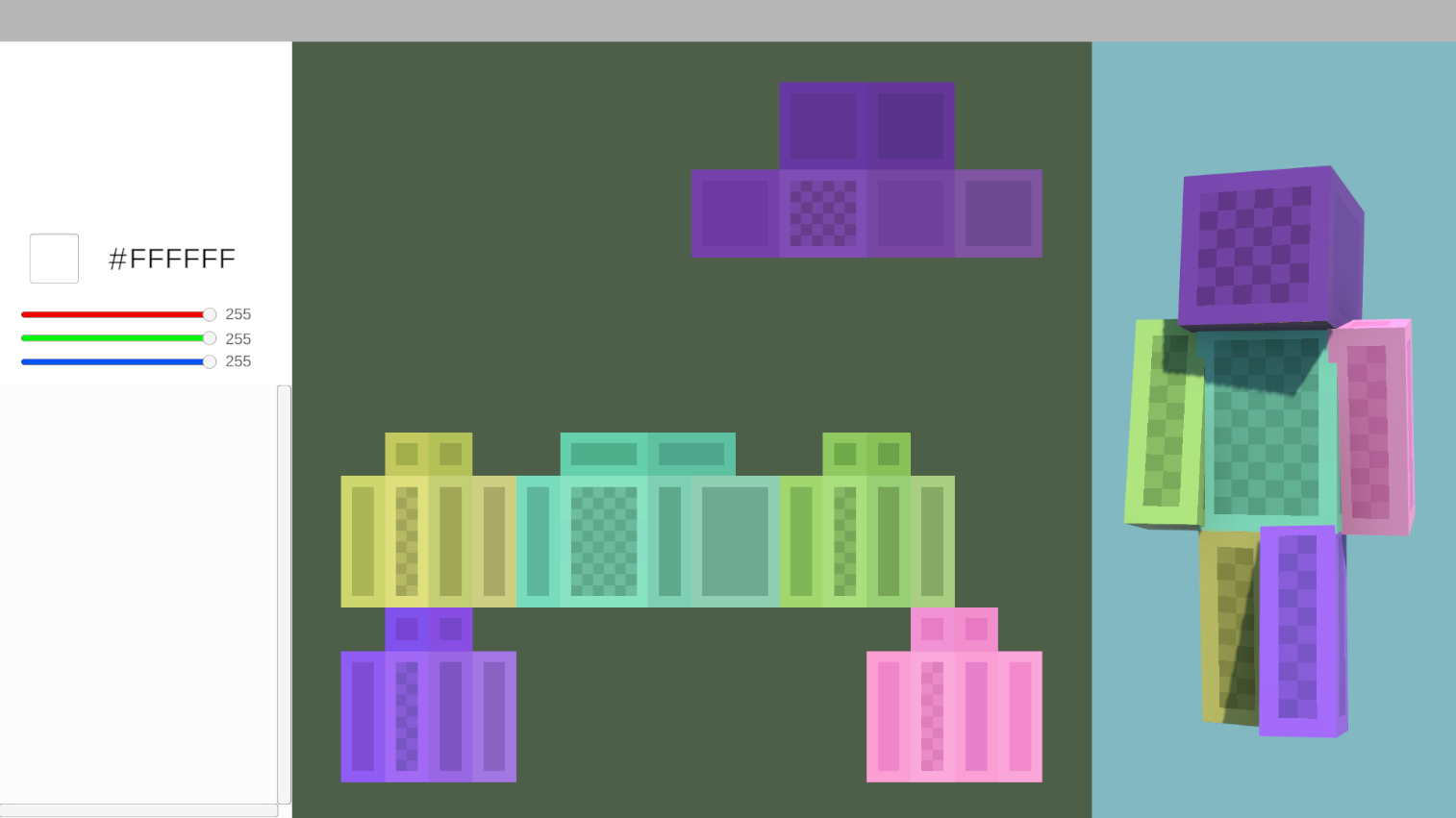
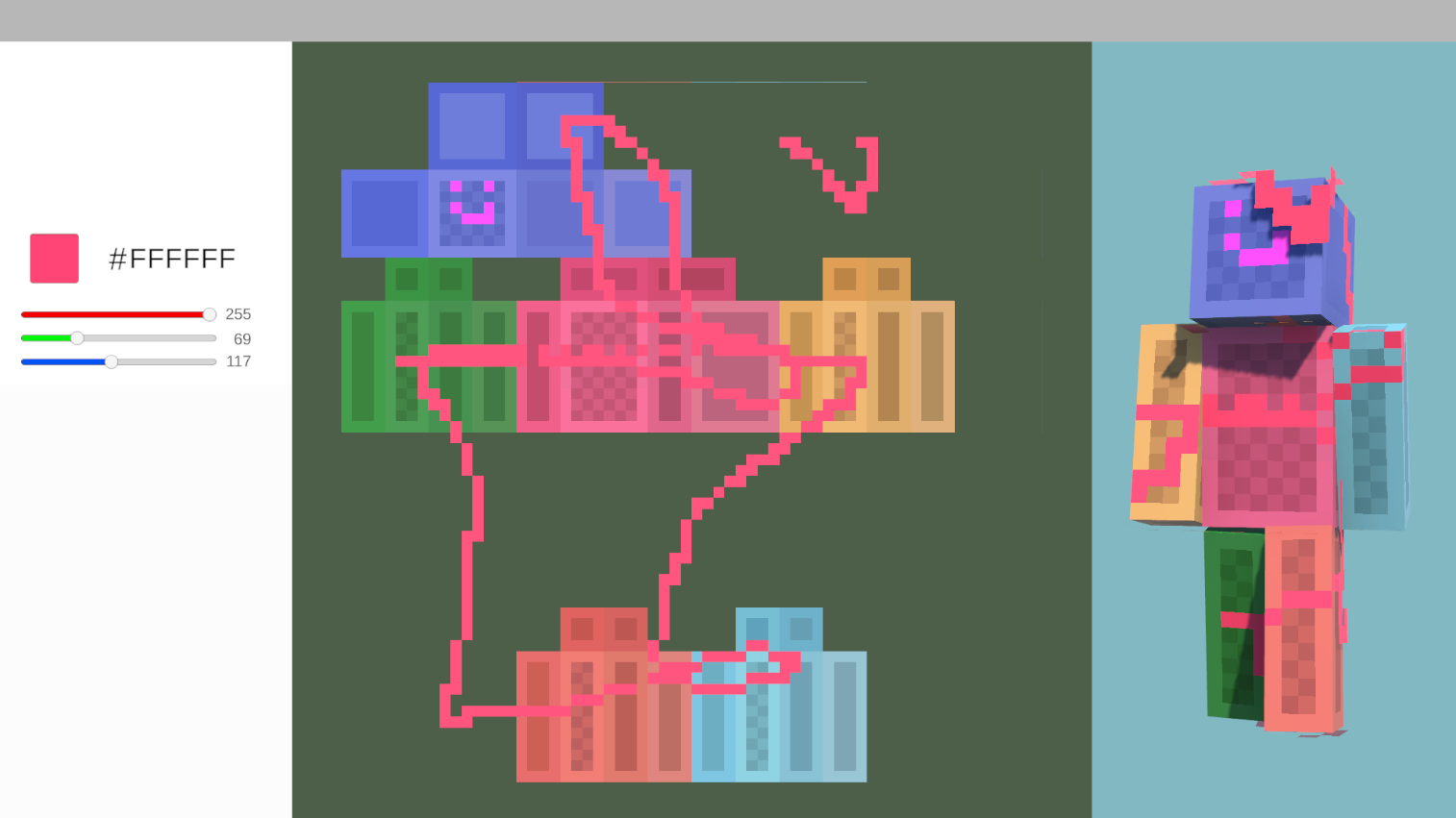
This project is unique for me in the sense that it was more of a tool than a game, despite it also being made in Unity.
I was playing Minecraft one day and decided to make a new skin for my character. The tools that I found online were definitely usable, however I felt that they were lacking in some features that would have made it a lot more convenient. This sparked the idea of creating my own custom skin editor.
From what I built with it, you could draw on a 64x64 canvas (the size of a Minecraft skin), and see the result on the model to the right of the canvas. You could also rotate the model, and change the color of the pixels you drew.
The main reason I scrapped this project was because other things came up and I just did not really have the time to keep working on it. I did not get very far with it, however I do think I will come back to it one day and finish it.
In the finished product, I would love to have the ability to draw on different layers, export and import pictures and existing skins, disable and enable certain parts of the model to make viewing better, and more.
I was playing Minecraft one day and decided to make a new skin for my character. The tools that I found online were definitely usable, however I felt that they were lacking in some features that would have made it a lot more convenient. This sparked the idea of creating my own custom skin editor.
From what I built with it, you could draw on a 64x64 canvas (the size of a Minecraft skin), and see the result on the model to the right of the canvas. You could also rotate the model, and change the color of the pixels you drew.
The main reason I scrapped this project was because other things came up and I just did not really have the time to keep working on it. I did not get very far with it, however I do think I will come back to it one day and finish it.
In the finished product, I would love to have the ability to draw on different layers, export and import pictures and existing skins, disable and enable certain parts of the model to make viewing better, and more.